15 June 2026
Posted by Alice Flynn
Engaging your Reader from the Very First Line
Summer 2026: Engaging your Reader from the Very First Line
In today's session we read examples of first lines of texts to see what elements hooked us in, what information was given and what questions were raised. You could try this now: pick few books from a book shelf and see what the opening lines are and how they function – how do they draw you in? What information do they give you in relation to setting (time and location), character, story genre or narrative voice?
Next, we used an exercise from 'Opening Lines that begin in the middle' in What If? Writing Exercises for Fiction Writers by Anne Bernays and Pamela Painter (pp 3 - 6) to practice writing a beginning that starts ‘in media res’ in mid-action, rather than rambling into the start of a story. We set a timer for 5 minutes and wrote 5 opening lines for imaginary stories. We then shared our favourite opening line and heard feedback on the effect it had on the group. Perhaps you could share some opening lines with people and see what impact your words have on the listener.
Next, we explored expanding on our favourite opening line, turning into a first paragraph. We experimented to see how we could take the action forward. We also asked: what other information do we want to reveal at this early stage? What might not be necessary to include now, but suitable to include later? Read your paragraph out loud to someone and see what questions and reflections they have.
You might then continue developing your piece in to a full first chapter. What other elements or characters will you introduce to the reader? What questions are raised? How might you end the last paragraph of your first chapter, in such a way that you reader feels compelled to read on? You might also flick through your favourite books to see how the writer writes the first chapter. Can you seen any commonalities or tools shared in how they end the first chapter? You could try applying your discoveries to your work. As writers, when we are reading, we’re also learning. Remember, as a reader, you are also someone who knows what hooks you in and keeps you turning the pages of a book – you might keep a note of what keeps you engaged as a reader, to weave that into your own writing. Have fun exploring, analysing examples and experimenting with creating engaging writing!
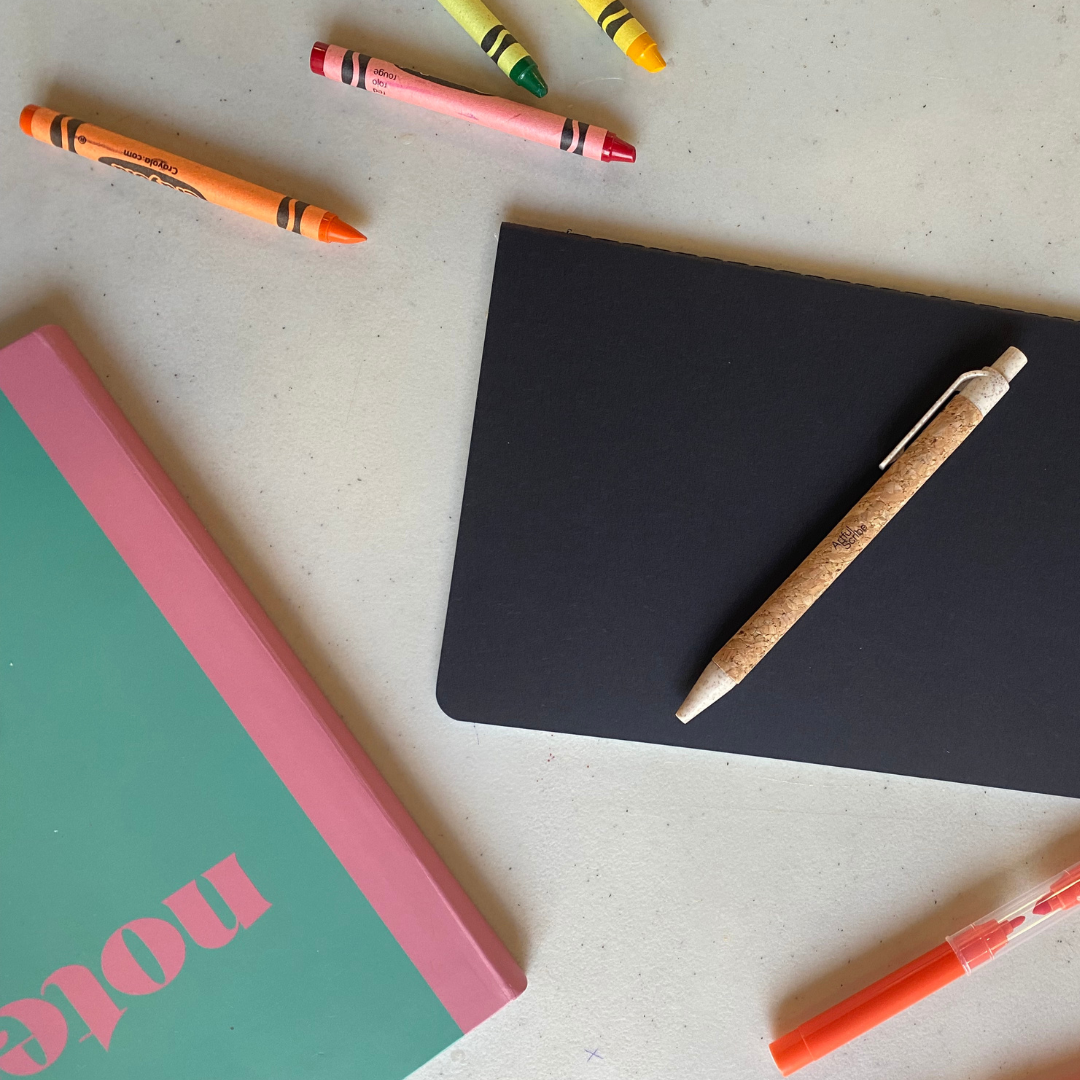
Image source: Alice Flynn
Archive
Junior & Young Writers Week 3: Return From The Magical World
Junior & Young Writers Week 2: African Mythology
Problems, Problems, Problems...
Cautionary Tales & Christmassy Opening Lines
You've Gotta Have Pace, Pace, Pace
Junior & Young Writers Week 1: Alien Encounters
Junior & Young Writers: Week 5 - Play on Words Pt. 2
Junior & Young Writers: Week 11 - end of term showcase [build a bard workshop]
Junior & Young Writers: Week 10 - Greek Theatre - chorus stories
Junior & Young Writers: Week 9 - Greek Origin Stories - Spring
Rubber Ducks & Writing Festivals
Junior & Young Writers: Week 7 - Greek Hero Stories [the 12 labours of Hercules]
Junior & Young Writers: Week 12 [Wild Words] - Stuff & Things
Junior & Young Writers: Week 11 [Wild Words] - World Building 2
Junior & Young Writers: Week 10 [Wild Words] - World Building
Junior & Young Writers: Week 9 [Wild Words] - Mystery & Choose Your Own Adventure
Junior & Young Writers: Week 8 [Wild Words] - Spooky Sequels & Potion Poems
Junior & Young Writers – Week 10 (Writers’ Inspiration) – Final Showcase
Junior & Young Writers – Week 9 (Writers’ Inspiration) – Editing & Performance Tips
Junior & Young Writers – Week 8 (Writers’ Inspiration) – Cuteness
Time goes on by Tavinder Kaur New
Junior & Young Writers – Week 7 (Writers’ Inspiration) – Natural Solutions
Junior & Young Writers – Week 6 (Writers’ Inspiration) – The Language of Fruit and Veg
Junior & Young Writers – Week 5 (Writers’ Inspiration) – Adventures In Space
Tinklebobs and Bedraggled Angles
Junior & Young Writers – Week 4 (Writers’ Inspiration) – Our Environment
Fortune Tellers & Future Letters
Junior & Young Writers – Week 3 (Writers’ Inspiration) – Home
Young Writers - Week 10 (The Art of Writing) – Final Week Showcase
Junior Writers - Week 10 (The Art of Writing) – Final Week Showcase
Young Writers – Week 9 (The Art of Writing) – Choose Your Own Adventure
Junior Writers – Week 9 (The Art of Writing) – Choose Your Own Adventure
Young Writers – Week 8 (The Art of Writing) – Sequel Stories
Junior Writers – Week 8 (The Art of Writing) – Sequel Stories
Young Writers – Week 7 (The Art of Writing) – Picture Prompts
Junior Writers – Week 7 (The Art of Writing) – Picture Prompts
Young Writers - Week 6 (The Art of Writing) - Script-writing & Dialogue
Junior Writers - Week 6 (The Art of Writing) - Script-writing & Dialogue
Junior Writers – Week 5 (The Art of Writing) – Poetry
Young Writers - Week 5 (The Art of Writing) - Poetry Potions
Edward The Martyr - A Competition!
Mood Boards and Postcards from Space
Young Writers - Week 3 (The Art of Writing) - PLOT
Junior Writers - Week 3 (The Art of Writing) - PLOT
Moomin Stories and Hollywood Pitches
Young Writers - Week 2 (The Art of Writing) - Genre & Setting
Junior Writers - Week 2 (The Art of Writing) - Genre & Setting
Prompts, Dialogues, and Cliché
Story Structure Part One: Exposition and Beyond...
Young Writers - Week 1 (The Art of Writing) - Character
Young Writers - week 4 - Nature Writing [animals & wildlife]
Junior Writers - week 4 - Nature Writing [animals & wildlife]
Young Writers - week 3 - Nature Writing [trees/plants/flowers]
Junior Writers - week 3 - Nature Writing [trees/plants/flowers]
Young Writers - week 2 - 'fractured fairy tales'
Junior Writers - week 2 - 'fractured fairy tales'
Writing Competition - Stories From Our Streets
Stories From Our Streets Community Activity Pack
Thinking in-quiet, after the fire
Ekphrastic Jukebox - Writing to Music
ArtfulScribe LitFest Community Showcase 2023
Young writers exercise their creative power
The Mousetrap - Mayflower Young and Junior Writers Investigate Mystery!
Stories From Our Streets Launch!
Interview: In Conversation with Dr Victoria Leslie
The Missing Farmer/ Blackout Poetry & DADA
Exploring this wonderful World
Using props to create characters/ working as a writing room
Stories of the Dust and Character Questions